Will I ever feel safe again?
Before we start, this has been written to help us identify ways in which we can feel safe again emotionally – If you are still in a situation that is unsafe or dangerous, emotional safety may not be something you can work towards right now – and that is not a failure. When someone is still at risk, the priority is survival and practical safety. This post is not written for you at this moment.
If that’s where you are, you deserve immediate support focused on keeping you safe. Contact the National Domestic Abuse Helpline: 0808 2000 247.
I cannot tell you how many times I have wrestled with this question, and even now it still occasionally rears its ugly head and disturbs the peace I have been carefully creating. Having lived in fear for so long it becomes incredibly difficult to learn to trust yourself again, to recognise what are actual risks and what is your nervous system becoming overwhelmed.
When we talk about feeling safe again, it means different things for all of us, and what it means can change depending on our individual circumstances. It is well documented that the first year after leaving an abusive relationship is the most dangerous time for many women. Maslow’s hierarchy of needs will be familiar to some readers; it’s helpful here because it highlights how essential safety is. This model represents our needs as a pyramid, starting with the most basic and building up to self-actualisation. Safety sits right near the bottom. Without feeling safe, it’s incredibly hard to move on and begin to build a life we love.
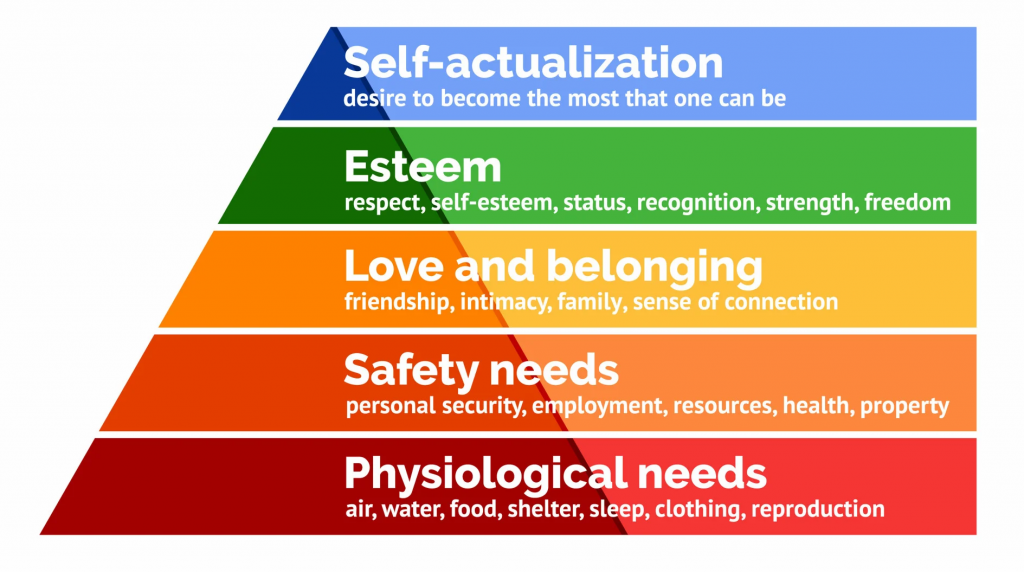
There are two elements to safety: practical safety and emotional safety.
Practical safety is often the first thing we think of. It includes visible, tangible measures such as alarms on doors and windows, video doorbells, good lighting, changing locks, keeping phones charged, and having plans in place for emergencies. These steps matter, they can reduce risk and help us feel more in control of our physical environment. At the bottom of this page there are some links to helpful resources for practical safety.
But safety isn’t only about what’s on the outside. True safety also lives on the inside.
Emotional safety is about feeling calm rather than constantly alert. It’s about rebuilding trust with yourself, and over time, learning to trust your instincts again. We have faced real danger, and that takes time to process. After abuse, many of us remain in survival mode long after the immediate danger has passed.
Emotional safety means being able to say no without fear, to express emotions without being punished, and to exist without being monitored, criticised or controlled. It’s being able to take up space, to rest, to make mistakes and to heal at your own pace.
I can’t write about emotional safety without acknowledging the very real challenges many of us face after leaving an abusive relationship. The reality is that leaving doesn’t mean the danger, or the impact suddenly ends. In fact, for many women, the period after leaving can feel just as destabilising, if not more so.
After leaving, we are often faced with a wave of challenges that threaten our emotional safety: family court proceedings, involvement with children’s services, legal systems and professionals. These are systems designed to help and protect – and yet they can leave us feeling exposed, disbelieved, scrutinised, or powerless at a time when what we need most is rest, reassurance, and stability. Exhaustion and burnout are very real. We have experienced trauma we wouldn’t wish on anyone, yet one battle can often feel as though it becomes another, and another.
Being asked to repeatedly retell traumatic experiences, to prove harm, to stay calm under pressure, or to cooperate with processes that feel adversarial can keep the nervous system in a constant state of alert. Even when we are physically safe, emotionally we may feel as though we are still being watched, judged, or controlled.
This doesn’t mean we’re doing something wrong. It means the systems we move through are not always trauma-informed, and they don’t always recognise how fragile emotional safety can be after abuse.
Emotional safety, in this context, isn’t about feeling “strong” or “resilient.” It’s about having spaces and people where we are not on trial, where we don’t have to perform coping, and where we are allowed to rest.
So how do we start working towards emotional safety? If you are anything like me, you probably won’t like the answer…. It takes time. Everything takes time, and that can be incredibly frustrating. What we have been through is not a small thing, and it matters that we treat ourselves with the same compassion and kindness we would offer to others.
Emotional safety isn’t a checklist of things to achieve. It isn’t something we can rush. It helps to regularly pause and check in with how we are feeling.
Small steps towards feeling heard and seen and believed are where the real work is done, it could be with one trusted friend who listens and doesn’t judge. It could be with a peer support group alongside other women who have had similar experiences, or it could be with taking steps on your own to try new experiences and learn that it is safe to be yourself.
I’m not talking about throwing yourself into everything or forgetting the past. I’m talking about allowing vulnerability in small, manageable ways, and pausing to notice how that feels; relieved, scared, steadier, or something else entirely. Let those feelings guide you. When something feels supportive rather than overwhelming, you’re heading in the right direction.
And if right now it feels like you will never trust anyone again, that’s okay too. There is no deadline for healing, no expectation to move faster than you are able. Going at your own pace is not avoidance, it’s wisdom. Emotional safety grows when we listen to ourselves, honour our limits, and allow trust to return slowly, if and when it feels right.
Anchored in Hope exists to support you in this space. You can find out more about the support available by visiting our What’s Coming Up page, whenever you feel ready.
Help and Support:
These are some great resources for finding practical safety advice.
National Domestic Abuse Helpline: https://www.nationaldahelpline.org.uk
Woman’s Aid: https://womensaid.org.uk/information-support/
Victim Support: https://www.victimsupport.org.uk
